How vacuum suction actually works
Quick answer
Pascals measure sealed suction pressure with the inlet fully blocked, a condition you never actually clean in. Air watts combine airflow and pressure into a single figure for useful work at the cleaning head, while CFM measures airflow alone. There is no valid conversion between pascals and air watts, so a chart claiming to translate one into the other is inventing numbers.
Unit definitions and published specifications, plus service conventions where noted.
Why a vacuum with huge suction numbers can still clean poorly
A spec sheet with a big pascal figure looks like it should settle the question of which vacuum cleans better, but pascals describe a test condition, not a cleaning condition. Sealed suction is measured with the inlet completely blocked, so no air is moving at all. The number tells you how hard the motor can pull against a wall, which is a useful engineering figure but not a description of what happens when the nozzle is sitting on a rug with air flowing freely through it.
Once the inlet opens back up and air starts moving, the sealed pressure figure drops fast and a different set of factors takes over. On carpet, the dominant factor is agitation from a driven brush roll flicking dirt up out of the pile so airflow can carry it away. On a hard floor, agitation barely matters and the result comes down to airflow volume and how well the nozzle seals against the floor. A machine can have an enormous sealed suction rating and a worn or hair-bound brush roll, and it will still leave carpet looking dull, because the brush roll, not the pressure rating, was doing the work of loosening embedded dirt.
What each unit on a spec sheet is actually measuring
Three units show up on vacuum listings and they are not interchangeable. Pascals (Pa), and the older water lift measurement it replaced, describe sealed pressure: how much vacuum the motor can pull with airflow stopped. One inch of water lift is defined as approximately 249 Pa, so a spec sheet quoting either unit is describing the same physical quantity, just in a different scale. CFM (cubic feet per minute) describes airflow alone, with no reference to pressure at all: a fan can move a lot of air at low pressure, or a little air at high pressure, and CFM only tells you about the volume moving.
Air watts (AW) is the figure meant to combine the two into something closer to real-world cleaning performance. It is calculated from airflow and pressure together and is meant to represent the useful work being delivered at the cleaning head, not just at the motor. This is why air watts is the more common headline figure on cordless sticks and uprights, while sealed suction in pascals shows up more on robot vacuums, where the nozzle geometry and airflow path are fixed by the robot chassis rather than swappable attachments.
- Pascals (Pa) or water lift: sealed pressure, inlet blocked, no airflow
- CFM: airflow volume alone, no reference to pressure
- Air watts (AW): combined airflow and pressure at the cleaning head
- 1 inch of water lift is approximately 249 Pa
The parts that decide real cleaning, not just the spec sheet
- KEEPOW
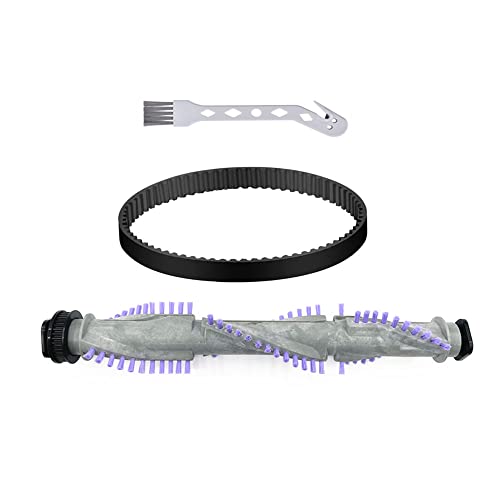
KEEPOW Style 7/9/10 P/N 3031120 Replacement Belt for Bissell Vacuum
$5.93 Check pricePrices change often - Bissell
Bissell PowerClean Corded Stick Vacuum, HEPA Filtration, 4214K
$119.99 Check pricePrices change often - Bissell
Bissell PowerClean FurFinder Corded Stick Vacuum, HEPA, 4282K
$189.99 Check pricePrices change often



There is no conversion between pascals and air watts
Because pascals measure pressure with zero airflow and air watts is calculated from pressure and airflow together, the two figures describe physically different conditions and cannot be converted into each other with a formula. A chart that claims "X pascals equals Y air watts" is applying a made-up ratio, usually backed into from one specific machine, and that ratio does not hold for a different motor, fan design or nozzle. If a listing gives you sealed suction in Pa for one model and air watts for another, you cannot line them up on a single scale. Treat any site offering that conversion as guessing.
The practical takeaway is to compare like against like. Two robot vacuums both quoted in Pa can be reasonably compared to each other. Two cordless sticks both quoted in AW can be reasonably compared to each other. A robot quoted in Pa against a stick quoted in AW cannot be compared at all from the spec sheet, because they are not measuring the same thing.
Why carpet and hard floor reward different things
Carpet pile hides dirt down at the base of the fibres, below where airflow alone can reach it. A driven brush roll (also called a beater bar) spins fast enough to physically flick the pile open and knock embedded dirt loose so the airstream can then lift it into the machine. This is why a vacuum with a passive, non-driven brush roll, or a driven roll that has gone bald or has a broken belt, will consistently underperform on carpet even with strong sealed suction, and why cordless sticks intended mainly for hard floors often carry a visibly softer roller than upright models built for carpet.
Hard floor removes agitation from the equation almost entirely, since there is no pile to open up. What matters instead is airflow volume, reaching corners and edges, and how well the nozzle head seals against the floor surface. A worn or warped nozzle that no longer sits flush lets air leak in around the sides, which drops the effective airflow at the surface even if the motor itself is unchanged. This is also why the same machine often needs a different floor-head attachment for hard floor versus carpet: the seal and bristle stiffness the two surfaces reward are different.
Reading a spec sheet without over-trusting the headline number
Headline suction and air watt figures are almost always taken in the machine's highest power setting and with a specific attachment fitted, conditions that do not match how most owners actually run the vacuum day to day. There is no independent standard body requiring manufacturers to test a fixed way, so figures from different brands, and even different product lines from the same brand, are not guaranteed to be measured identically. Treat the number as a rough indicator of the motor's capability class rather than a precise prediction of cleaning outcome on any specific floor.
A more reliable read on whether a machine is actually cleaning well day to day comes from checking the parts that do the mechanical work: is the brush roll still driven and free of wrapped hair, is the belt (where fitted) still gripping rather than slipping, and is the filter clear enough that the motor is pulling full airflow rather than fighting a clog. Those checks tell you more about real performance than any single number on the box.
| Unit | What it measures | Test condition | Typically used on |
|---|---|---|---|
| Pascals (Pa) | Sealed pressure | Inlet fully blocked, zero airflow | Robot vacuums, some canisters |
| Water lift (inches) | Sealed pressure, older scale | Inlet fully blocked, zero airflow | Older or budget uprights |
| CFM | Airflow volume | Open airflow, no pressure reference | Occasionally listed alongside AW |
| Air watts (AW) | Airflow and pressure combined | Calculated at the cleaning head | Cordless sticks, uprights |
When you are comparing two vacuums, match the unit before you match the number. A pascal figure only compares fairly against another pascal figure from the same category of machine, and the same is true for air watts. Once the units line up, check the brush roll and filter condition before trusting either figure to predict cleaning on your floors.
Common questions
Can I convert pascals to air watts or the other way around?
No. Pascals measure sealed pressure with airflow stopped entirely, while air watts is calculated from airflow and pressure moving together at the cleaning head. They describe different physical conditions, so there is no valid formula between them. Any chart claiming to convert one to the other is applying a ratio from one specific machine that will not hold for a different motor or nozzle design.
Is a higher air watt number always better?
A higher air watt figure indicates more calculated work potential at the head under the manufacturer's test conditions, usually the highest power mode with a specific attachment. It does not account for brush roll condition, nozzle seal, or filter cleanliness, all of which affect real cleaning. Compare air watt figures only between machines of the same type, such as two cordless sticks, not across categories.
Why does my vacuum have a high suction rating but still leave carpet looking dull?
Sealed suction in pascals is measured with the inlet blocked and airflow stopped, so it says nothing about the brush roll. Carpet cleaning depends heavily on a driven brush roll agitating the pile to loosen embedded dirt. A worn, bald or hair-jammed brush roll, or a slipping belt, will leave carpet looking dull regardless of how high the sealed suction figure is.
What does CFM tell me that air watts does not?
CFM measures airflow volume alone, with no reference to pressure. Two motors can move the same CFM while one produces far more pressure than the other, or vice versa. Air watts folds both airflow and pressure into one figure meant to approximate useful cleaning work, which is why it is the more commonly quoted figure on cordless and upright listings rather than CFM by itself.
Does bin size or hose diameter affect these numbers?
Bin capacity does not affect suction, airflow or air watts; it only affects how often you need to empty the machine. Hose and nozzle diameter can affect measured airflow and effective suction at the surface, since a narrower path can increase pressure but reduce volume, which is one more reason cross-brand spec comparisons are unreliable without knowing the exact test setup.
Is water lift the same thing as pascals?
Yes, they measure the same physical quantity, sealed pressure with the inlet blocked, just on different scales. One inch of water lift is approximately 249 Pa. Older or budget machines sometimes still quote water lift instead of pascals, but you can treat the two as directly related once converted.
Every figure here comes from published manufacturer specifications, owner reported measurements and repair documentation, and each is labelled as either a standard or a convention. This is researched general information to help you diagnose and plan, not professional advice, and it cannot tell you what is wrong with one particular machine. Your own manual and the part number printed on your machine are the final word.